

Many Surprise Homes Sit on a Post-Tension Slab
If your home was built in Surprise in the last few decades, there's a good chance it sits on a post-tension concrete slab. It matters the moment your remodel involves moving a drain.
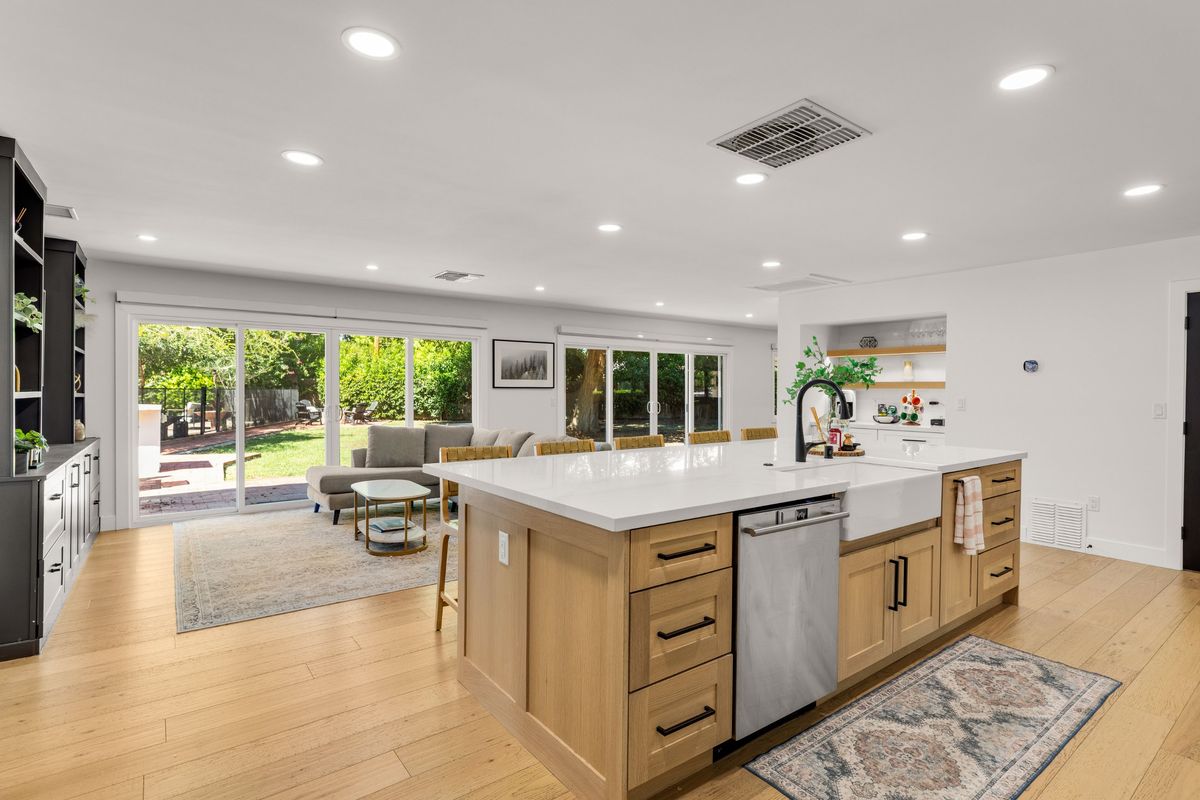
This is one of the least understood parts of remodeling in Arizona, and one of the most important. Knowing whether you have one can decide what your kitchen or bathroom remodel can do.
What Is a Post-Tension Slab?
A post-tension slab has steel cables (called tendons) running through the concrete. After the concrete is poured, the cables are pulled extremely tight. That tension holds the slab together and helps it resist cracking on expansive desert soils. Because the slab is under high tension, it can't simply be cut into like ordinary concrete.
Many of these homes have a stamp or warning in the garage floor noting the slab is post-tensioned. If you see one, take it seriously.
What do other homes have? Homes without post-tension cables usually have a conventional reinforced concrete slab, with a grid of steel rebar inside. That kind of slab is easier to cut into. A few homes have a raised floor over a crawl space, which is less common in Arizona.
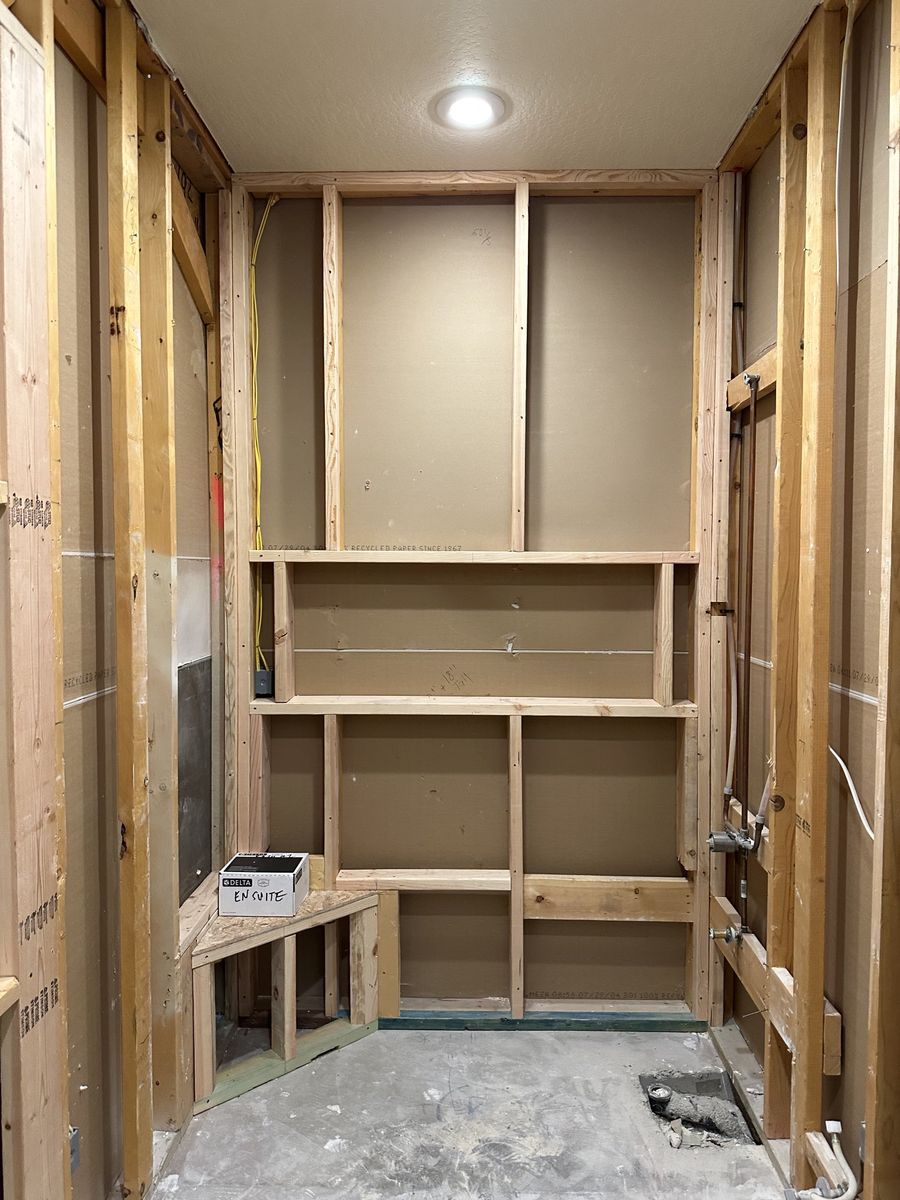
When Moving Plumbing Is (and Isn't) Worth It
The most common slab-cutting projects we see:
-
Moving a sink to a new kitchen island
-
Relocating a toilet or shower in a bathroom layout change
-
Converting a tub to a curbless shower, which needs the drain lowered or moved
Sometimes the better design keeps plumbing where it is and puts the budget into finishes. We'll walk you through both options before you decide. See how a layout change affects the project in our cost guides.
Why You Can't Just Cut It
Cutting into a post-tension slab without knowing where the tendons are is risky:
-
A cut tendon can release suddenly with tremendous force.
-
It weakens the slab, and repairing a tendon takes a specialist.
-
It's expensive to fix, often far more than the remodel savings that led to cutting.
That is also why remodeling or re-plumbing a home with a post-tension slab costs more than the same job in a home without one.
How We Do It Safely
-
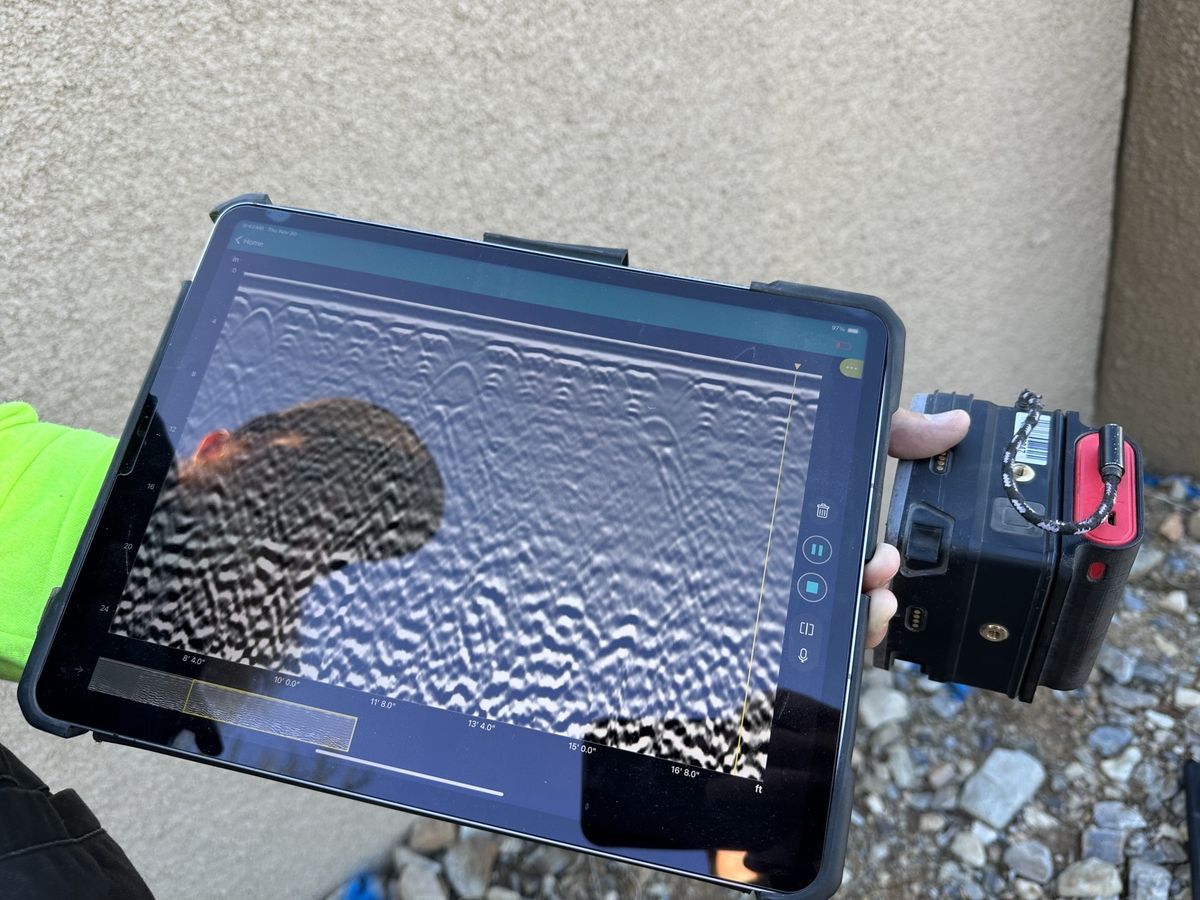
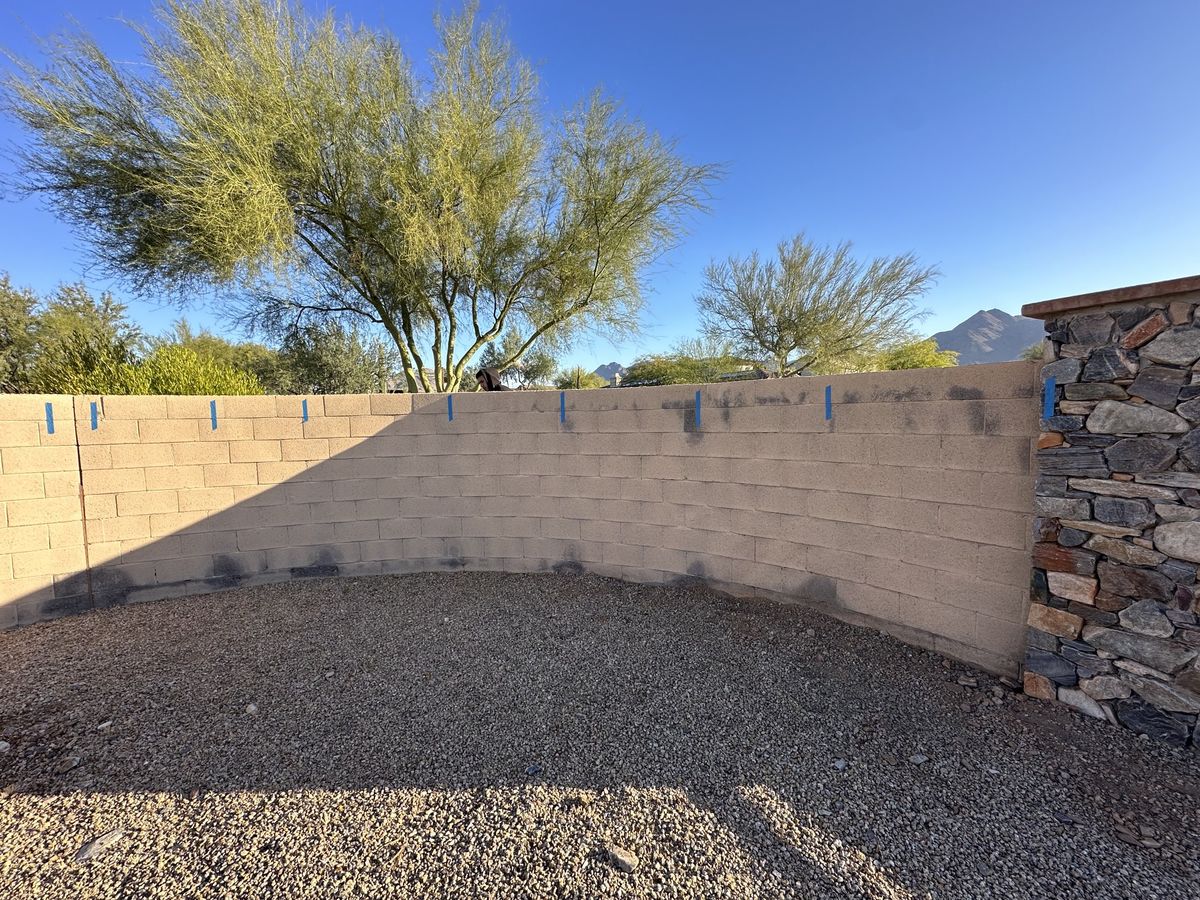
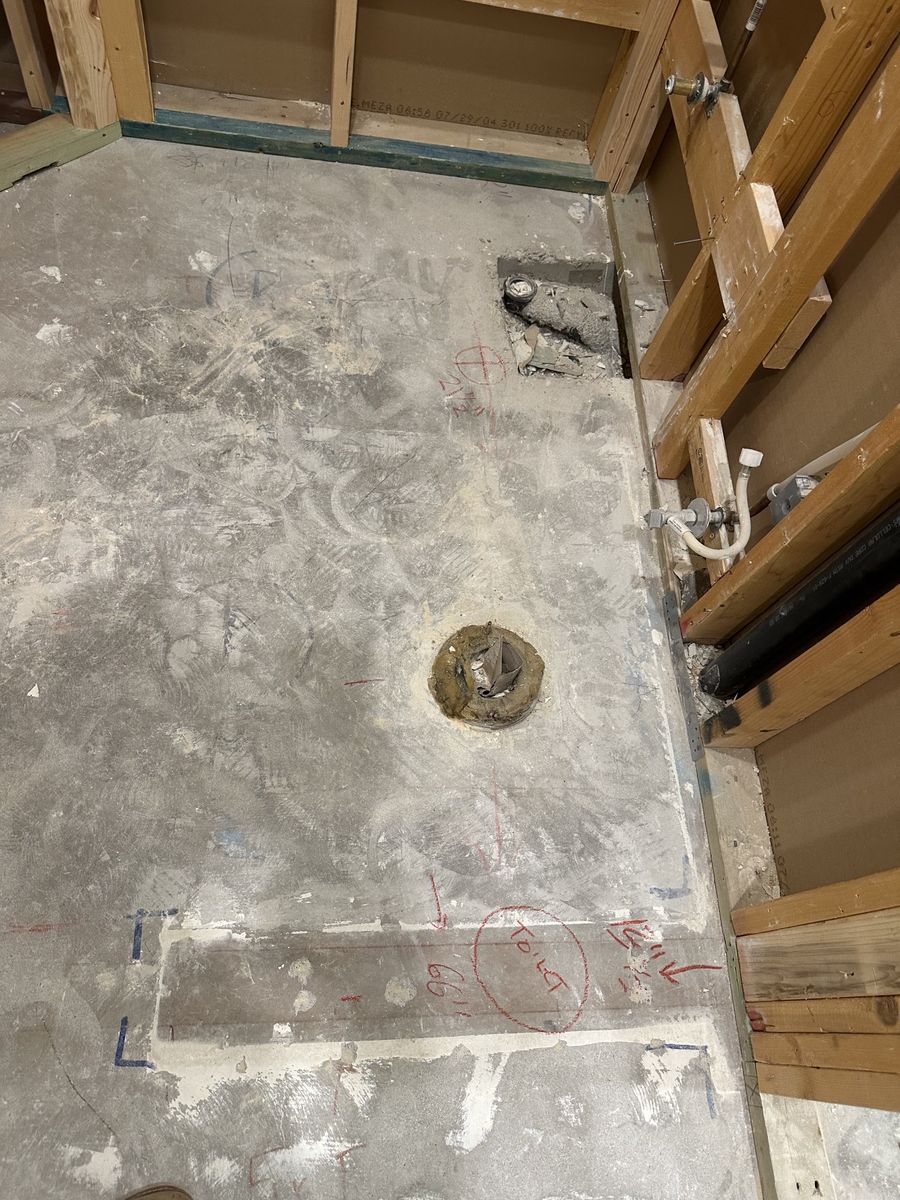
Scan first. Before cutting, a specialist company scans the slab (GPRS / ground-penetrating radar) to locate the tendons and mark them on the floor.
-
Plan the route. The new drain path is laid out to run between tendons wherever possible.
-
Cut, trench, and plumb. The concrete is cut and removed only where needed, and the new drain is installed with proper slope.
-
Inspect and patch. After the plumbing is inspected, the trench is filled and patched.
Scanning and slab work add cost, and every slab is different. We'll show you the price difference for your home before you decide. Read: How to Tell If a Wall Is Load-Bearing in Your Surprise Home
Do You Have a Post-Tension Slab? How to Find Out
Look for a stamp or warning in the garage floor, check your builder documents, or ask us to check during the estimate. We can help you figure it out, and the answer ultimately determines what your remodel can do.
FAQ
How do I know if I have a post-tension slab? Look for a stamp or warning in the garage floor, check your builder documents, or ask us to check during the estimate.
Can you move plumbing on a post-tension slab? Usually, yes, with scanning and careful layout. It adds cost, so we'll show you the price difference.
Can you move my toilet or shower drain? Usually, yes, with scanning and careful layout. It adds cost, so we'll show you the price difference.
What happens if a post-tension cable is cut? A cut tendon can release suddenly with tremendous force and weakens the slab. Repairing one takes a specialist, which is why we scan first.
Is scanning really necessary? Yes. It's the only reliable way to know where the tendons are before cutting.
Planning a Layout Change?
Call (623) 400-2444 or request an estimate. We'll tell you upfront what moving plumbing will take. Botello Builders, licensed ROC# 348580.
Get a starting price range in about two minutes with our price estimator, then book a free 15-minute call to talk it through.
More from the blog
- Bathroom Remodel Cost and Timeline in Goodyear, AZ
- Quartz vs. Quartzite vs. Granite vs. Porcelain: Which Countertop Holds Up in Arizona?
- Building a Casita in Buckeye, Goodyear or Phoenix: What Arizona's ADU Law Means for Your Lot
- Switchable Privacy Glass: Clear or Frosted at the Press of a Button
- Kitchen Remodel Cost and Timeline in Buckeye, AZ
- Updating Your Bathroom in Surprise: What to Expect